
Ferrari. Just hearing the name brings images of roaring engines, sleek red curves, and a badge that practically screams prestige. But beyond the speed and style, there’s another reputation that often follows the brand: arrogance. Ferrari isn’t just any car company it’s a symbol of exclusivity, status, and almost untouchable luxury.
So why does Ferrari feel so… unreachable, even to those with deep pockets? Is it truly arrogant, or is it just a carefully crafted image designed to protect its legacy? In this article, we’ll explore the mystery behind Ferrari’s aura, from its selective customers and limited production to its pricing strategy and cultural influence. By the end, you’ll understand why the Prancing Horse isn’t just fast on the road it’s fast at setting itself apart from everyone else.
Table of Contents
Ferrari’s Strategy of Exclusivity
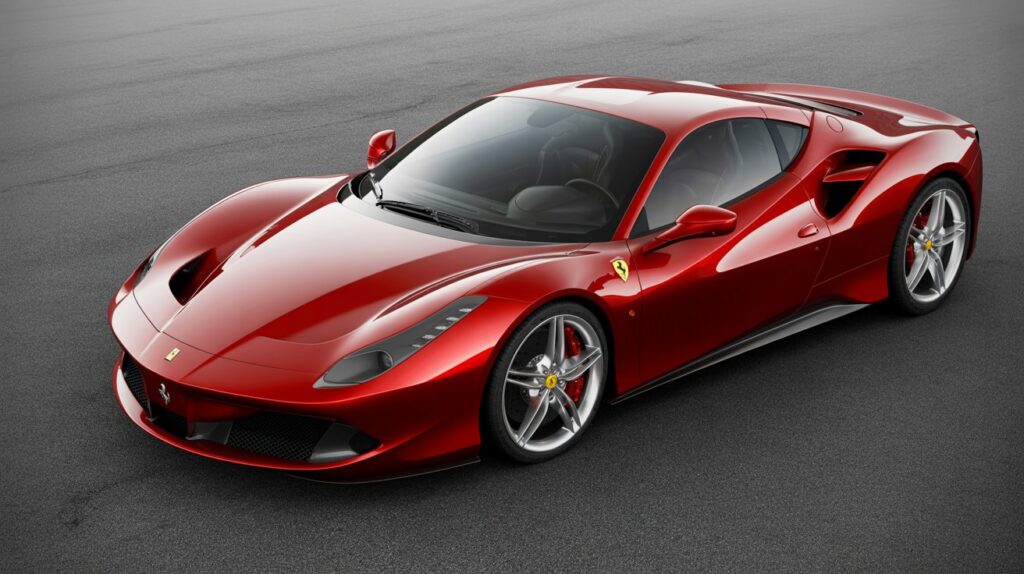
Ferrari isn’t just selling cars they’re selling an experience, a lifestyle, and a piece of automotive history. Part of what makes the brand feel “arrogant” is the way it carefully manages who gets to join this elite club.
Limited Production and Scarcity
Ferrari produces far fewer cars than the world demands. Each year, only a few thousand units roll out of Maranello, making them highly sought after. This scarcity isn’t accidental it’s a deliberate strategy. By keeping supply low, Ferrari maintains both prestige and resale value. The result? Owning a Ferrari becomes more than just a purchase; it’s a status symbol, a trophy of exclusivity.
Selective Customer Base
Money alone doesn’t guarantee a Ferrari. For certain models, the brand vets buyers for loyalty, passion, and respect for Ferrari heritage. Limited editions or flagship models are often invitation-only, reserved for those who have shown dedication to the brand over time. This selective approach reinforces the perception that Ferrari isn’t just a car it’s a privilege.
Maintaining Brand Image
From marketing campaigns to owner events, Ferrari controls its image with precision. Dealerships, private track days, and exclusive clubs aren’t just perks they’re tools to reinforce prestige. This careful curation ensures that Ferrari remains aspirational, not just another luxury car.
Pricing, Value, and Resale
Ferrari’s reputation for arrogance isn’t just about exclusivity it’s also built on how it prices its cars and how they hold their value over time.
Premium Pricing Strategy
Ferrari is unapologetically expensive. Even its “entry-level” models cost significantly more than most luxury sports cars. This high price isn’t just about covering costs it’s a deliberate signal of status. Paying for a Ferrari isn’t just a financial transaction; it’s a statement: you’ve arrived in the world of elite automotive enthusiasts.
Resale Value and Collectibility
Many Ferrari models retain value remarkably well, and some limited editions actually appreciate over time. Collectors often see these cars as investments rather than mere vehicles. Below is a simple comparison to illustrate this trend:
| Model Type | Depreciation Over 5 Years | Notes on Collectibility |
|---|---|---|
| Standard Ferrari | 15–25% | Retains strong value |
| Limited Edition | May increase in value | Highly sought after by collectors |
This strategy reinforces the brand’s aura of superiority. Owning a Ferrari is not just about the thrill of driving it’s also about participating in an exclusive market where value is preserved, and demand often exceeds supply.
Ferrari vs. Competitors
Ferrari doesn’t exist in a vacuum. Its aura of arrogance is heightened when compared to other luxury and hypercar brands.
Comparing Attitude and Brand Philosophy
Take brands like Koenigsegg Agera RS or Lamborghini. While these manufacturers also produce exceptional, limited-run cars, Ferrari stands apart with its careful cultivation of exclusivity. Koenigsegg focuses on extreme engineering and raw speed, while Lamborghini thrives on flamboyance. Ferrari blends heritage, F1 pedigree, and selective customer experience, creating an impression that it is untouchable.
Performance and Innovation Edge
Ferrari’s focus on performance is not just marketing it’s embedded in its DNA. The brand’s F1 expertise trickles down into road cars, giving owners vehicles that excel on track and street alike. This edge reinforces the perception of superiority, making Ferrari seem not just luxurious but fundamentally better than many competitors.
Public Perception and “Arrogance”
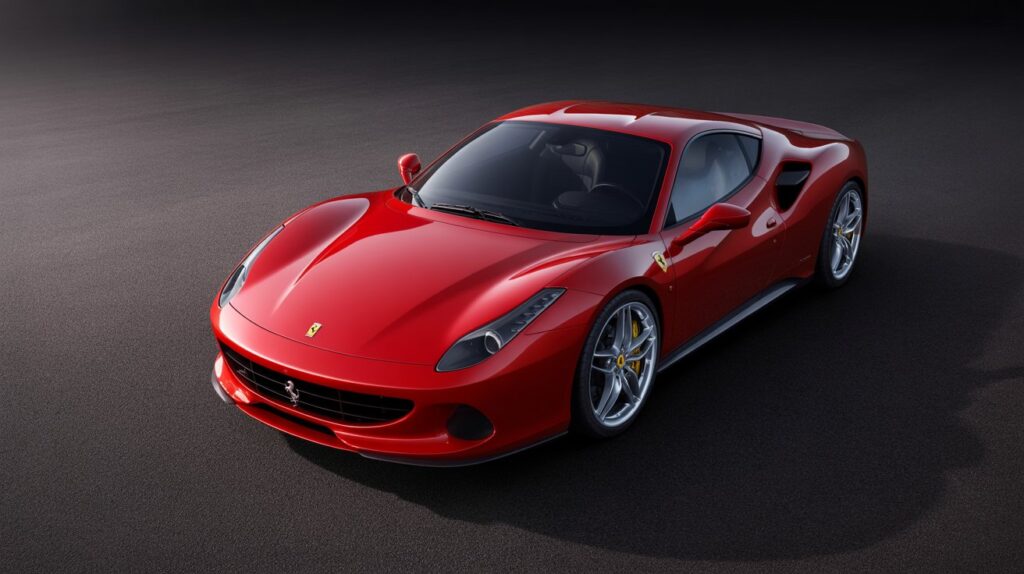
The idea that Ferrari is arrogant is as much about perception as reality.
Media and Cultural Influence
Movies, social media, and pop culture portray Ferrari as the ultimate status symbol. From blockbuster films to celebrity Instagram posts, the brand’s visibility amplifies its image. Media stories about exclusive launches or ultra-rare cars contribute to the aura of untouchability.
Owner Community and Status Symbols
Ferrari ownership goes beyond driving. Exclusive clubs, track days, and private events create a network of elite enthusiasts. For many, owning a Ferrari is a personal badge of success. This sense of belonging reinforces the perception that Ferrari is selective, prestigious, and, yes, a bit arrogant.
Pros and Cons of Ferrari’s Arrogance
| Pros | Cons |
|---|---|
| Maintains high brand value | Perceived elitism |
| Cars often retain or increase value | Limited accessibility for new buyers |
| Creates passionate, loyal community | Can attract criticism or jealousy in media |
| Reinforces global prestige | Some models are almost impossible to obtain |
This balance of pros and cons shows that Ferrari’s “arrogance” is strategic it builds loyalty, demand, and desirability while occasionally drawing public criticism.
Conclusion
Ferrari’s reputation for arrogance isn’t accidental. Limited production, selective buyers, high pricing, and a carefully managed brand image all combine to create a car that’s not just driven, but revered. From F1-inspired engineering to exclusive owner events, Ferrari doesn’t just sell cars it sells a symbol of success.
Arrogance or strategy? For Ferrari, it’s clearly part of the brand’s genius formula. While some may see it as unapproachable, for others, it’s exactly what makes the Prancing Horse so desirable.
FAQs
1. Can anyone buy a Ferrari if they have enough money?
Not necessarily. Ferrari evaluates buyers for certain models based on loyalty, passion, and brand respect. Money alone may not be enough for limited editions.
2. Why do some Ferrari models require special invitations?
Exclusive models are offered to selected customers to maintain rarity and prestige. Invitations reward loyalty and dedication to the brand.
3. Do all Ferrari cars hold their value well?
Most do, especially limited editions. Standard models retain value better than many other luxury cars, while rare models can even appreciate over time.
4. How does Ferrari compare to other luxury sports cars in exclusivity?
While brands like Koenigsegg and Lamborghini also produce rare cars, Ferrari’s combination of heritage, customer selection, and cultural influence creates a unique aura of exclusivity.