
The BYD Tang has become one of the most important models in BYD’s global expansion strategy. As one of China’s leading electric manufacturers, BYD is quickly becoming a serious challenger to rivals like Tesla, Kia, and Volkswagen. The 2025 Tang delivers the practicality of a large family SUV with premium technology and a performance focused powertrain. It is designed for drivers who want space, comfort, and electrification without paying high luxury brand prices. With strong sales in Europe, rapid growth in Latin America, and dominance in China, the Tang is turning into a global household name.
Overview of the BYD Tang
The BYD Tang sits in the mid to large SUV category. It offers seven seats, advanced safety systems, and refined driving dynamics. Buyers can choose between a fully electric version or a plug in hybrid in select regions. This flexibility allows the Tang to serve both fully electric markets and developing EV regions where charging infrastructure is still growing. It is part of BYD’s Dynasty series of premium vehicles, which feature technology developed using the company’s experience building batteries, semiconductors, and EV motors in house. This vertical integration helps BYD deliver more features for less money.
Design, Build Quality, and Dimensions
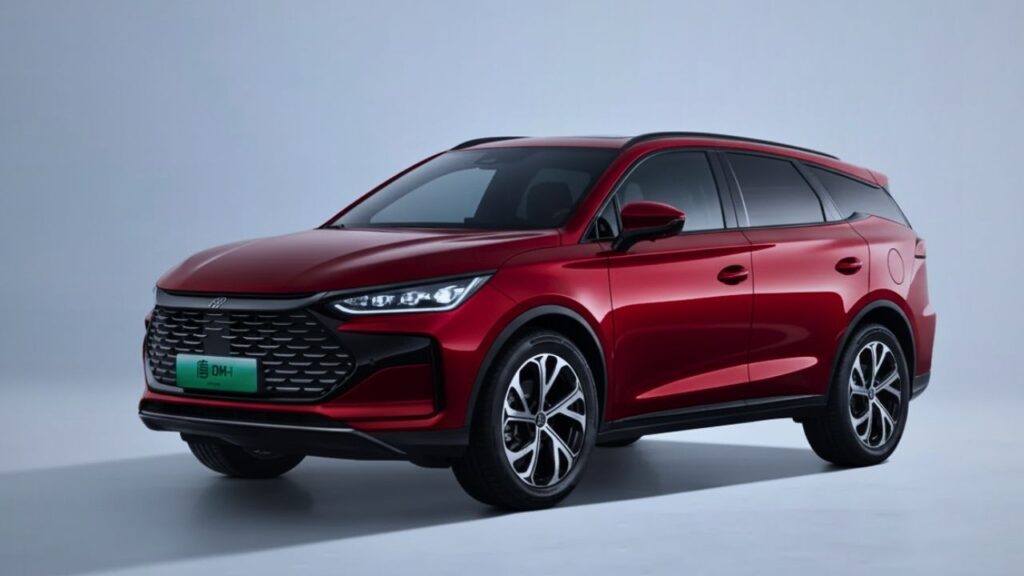
The 2025 Tang is designed to look modern, athletic, and premium. BYD’s signature Dragon Face styling gives the SUV a bold look with sharp LED lighting, a sculpted hood, and muscular shoulders. The plug in hybrid version features a grille while the EV variant uses a smoother nose for better aerodynamics. Inside, BYD focuses on comfort and digital functionality. The cabin features soft surfaces, metallic accents, and stitched finishes on upper trims. A panoramic roof brightens the cabin, and ambient lighting creates a tech lounge style interior at night. Seating is arranged in three rows with enough legroom for adults in the first and second rows. The third row works best for children or shorter passengers but folds flat when more cargo space is needed. Dimensions: length approx. 4,900 mm, width 1,955 mm, height 1,725 mm with a strong road presence that feels similar to rivals like the Kia EV9.
Powertrain, Battery, and Performance
Performance is one of the strongest reasons people choose the Tang. The fully electric AWD model uses two motors to produce up to 510 horsepower and 680 Nm of instant torque. Acceleration from 0 to 100 kmh takes around 4.4 seconds, impressive for a three row family SUV weighing over 2 tons. Steering is responsive with a comfortable level of resistance and a good turning radius for its size. The suspension does a strong job reducing body roll while still delivering a smooth ride over bumps and uneven surfaces. Plug in hybrid variants combine a turbocharged engine with battery power for drivers who want long range on fuel while occasionally driving electric. These versions are not offered in all markets but remain popular in regions transitioning gradually to full electric mobility.
Range, Efficiency, and Charging
The Blade Battery, a BYD innovation, is one of the safest battery technologies in the world. It uses Lithium Iron Phosphate chemistry which resists overheating, improves cycle life, and avoids rare metal dependency. WLTP range for the Tang EV reaches up to 505 km depending on wheel size and climate. Real world range typically stays between 400 and 450 km when fully loaded with passengers. Charging options are flexible. Type 2 AC charging at home works for overnight replenishment while DC fast charging takes the battery from 30 to 80 percent in about 30 minutes. The system includes battery pre conditioning features to optimize fast charging speed, particularly in cold weather.
Technology and Infotainment
Technology is a major highlight in the Tang. The rotating touchscreen in the center of the dashboard allows both horizontal and vertical operation which helps when watching videos or using navigation apps. The DiLink OS supports voice control, app installation, and smooth screen customization. The digital instrument display provides sharp visuals for speed, range, and driving modes. Safety automation includes features like forward collision warning, lane assist, blind spot monitoring, adaptive cruise control, traffic jam assist, and rear cross braking. OTA updates keep features fresh over time without dealership visits. Wireless smartphone projection may vary depending on model region but connectivity remains strong with Bluetooth, NFC keycards, and multiple USB ports.
Comfort, Practicality, and Driving Experience
The Tang is built for families who travel often. The seats are supportive with optional ventilation and heating in higher trims. Rear climate control vents ensure comfort in the second and third rows. The interior stays quiet due to strong insulation and electric motors that operate almost silently. The suspension setup blends comfort and control. Even on rough roads, the Tang reduces vibrations effectively. Highway driving feels stable while city driving benefits from its strong torque and agile handling. For long trips, the large seating capacity and cargo flexibility make it more useful than many five seat electric crossovers.
Pricing and Value for Money
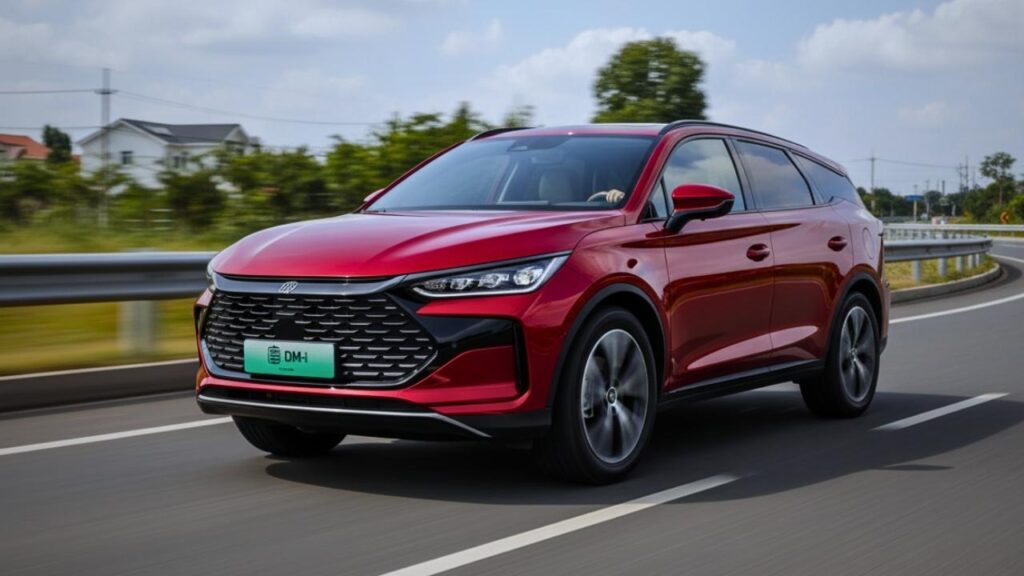
One of BYD’s core strengths is offering high technology without high pricing. In China, pricing starts around 260,000 to 300,000 CNY depending on configuration. In Europe, pricing varies by local government incentives and taxes but generally remains below many competitors in the seven seat electric SUV class. Standard safety, advanced tech features, and strong battery warranties give the Tang excellent long term value. Buyers get a premium EV experience without luxury brand maintenance costs.
Pros and Cons
Pros
Strong acceleration and performance
Long WLTP range plus fast charging support
Premium looking design with advanced tech
Three row seating with flexible cargo options
Highly competitive pricing for its segment
Cons
Not sold in the United States
Third row is tight for tall adults
Charging speed varies by market version
Brand familiarity still developing outside Asia
Competitor Comparison
Here is how the 2025 Tang compares with popular alternatives:
Tesla Model Y is smaller with only five seats and usually costs more once similarly equipped. Kia EV9 has more luxury oriented materials but is priced significantly higher. Volkswagen ID.6 offers similar space but less power. For buyers researching affordable electric SUV options, you can also explore the BYD Seal U available through detailed EV shopping guides on Rovnex.
BYD Tang FAQs
Is the BYD Tang available in the United States
No, it is not sold in North America due to current regulations and import challenges.
Does the Tang offer seven true adult seats
The first two rows comfortably fit adults. The third row suits children or occasional use.
How safe is the Tang
BYD vehicles have strong crash testing results and excellent battery safety thanks to Blade Battery technology.
Can the Tang tow trailers
Yes, towing equipment is available in some markets for light trailer usage or bicycles.
Is the plug in hybrid version worth buying
It is a great option for drivers in areas without reliable charging networks. However, the full EV remains the long term future proof choice.
Conclusion
The 2025 BYD Tang is a standout electric family SUV that combines stylish design, strong performance, and advanced technology with a price that broadens accessibility. Its three row interior makes daily commuting and weekend travel easier for families. With proven battery safety and impressive driving comfort, the Tang delivers a premium EV experience at a more reasonable cost than global luxury brands. As BYD continues expanding worldwide, the Tang is becoming a top pick for drivers who want a large electric SUV without the large price tag.