
The 2026 Mazda3 continues Mazda’s effort to blur the line between mainstream compact cars and near-premium offerings. Rather than chasing aggressive redesigns every few years, Mazda has focused on refinement, balance, and driver engagement. For 2026, the Mazda3 is expected to build on the strengths of the current generation, offering a familiar yet polished experience in both sedan and hatchback body styles.
This article takes a deep, realistic look at what the 2026 Mazda3 offers, who it’s for, and whether it still makes sense in an increasingly competitive and electrifying compact car segment.
Introduction to the 2026 Mazda3
The Mazda3 has long been positioned as a compact car for buyers who value driving feel, interior quality, and understated design over sheer horsepower numbers or flashy gimmicks. Available globally as a four-door sedan and five-door hatchback, it competes with vehicles like the Toyota Corolla, Honda Civic, Hyundai Elantra, and Volkswagen Golf.
For 2026, the Mazda3 is not a clean-sheet redesign. Instead, it represents a continuation of Mazda’s current-generation strategy, emphasizing mature styling, controlled performance, and a more premium interior experience than most rivals. This approach appeals to drivers who want a compact car that feels thoughtfully engineered rather than aggressively marketed.
What’s New for the 2026 Model Year
Mazda has not announced a full redesign for the 2026 Mazda3. Most expectations point toward a carryover model with selective updates rather than radical changes.
Potential updates for the 2026 model year may include refinements to infotainment software, expanded availability of driver assistance features across trims, and small packaging adjustments depending on market. Engine offerings and drivetrain configurations are expected to remain largely unchanged, reflecting Mazda’s confidence in the existing platform.
This conservative update strategy helps maintain reliability and resale value while keeping production costs in check, which matters in the price-sensitive compact segment.
Exterior Design and Styling Philosophy
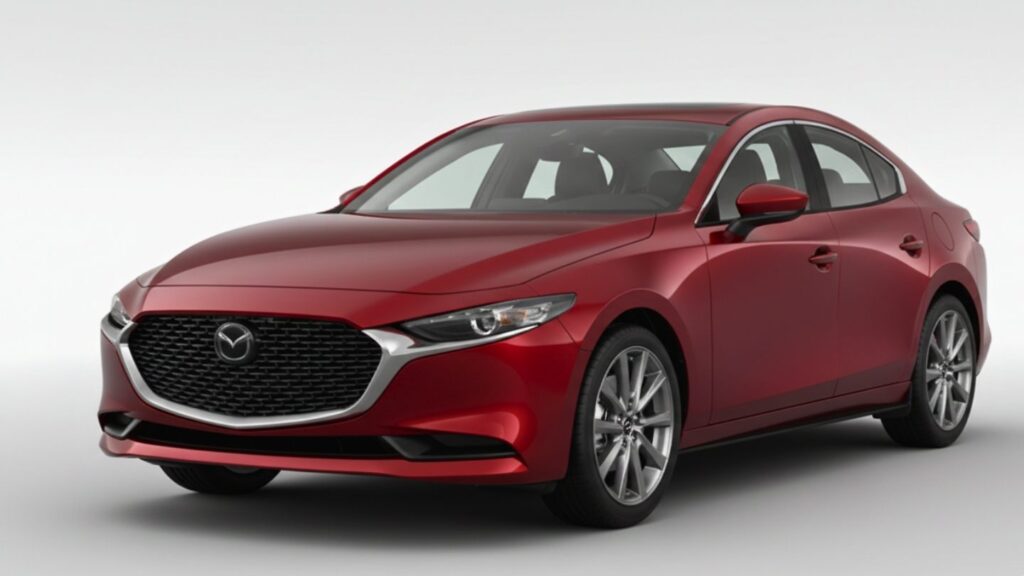
Mazda’s Kodo design language continues to define the Mazda3’s exterior. The design avoids sharp creases and excessive detailing in favor of smooth surfaces and controlled proportions. Even several years into its lifecycle, the Mazda3 still looks modern and distinctive.
The sedan presents a clean, elegant profile that leans toward sophistication rather than sportiness. The hatchback, on the other hand, has a more aggressive stance with a shorter rear overhang and thicker C-pillars, giving it a more dynamic appearance.
Paint quality and depth remain standout features, with Mazda’s paint technology creating rich reflections that elevate the car’s visual presence, especially in darker or metallic colors.
Body Styles and Visual Differences
The sedan is aimed at buyers who prefer a traditional compact car silhouette with a formal trunk and understated design. It offers a balanced look that appeals to commuters and families alike.
The hatchback targets drivers who want a sportier image and greater cargo flexibility. Its design is more polarizing but also more distinctive, making it popular among younger buyers and driving enthusiasts.
Interior Design, Comfort, and Build Quality
Inside, the 2026 Mazda3 continues to prioritize driver focus and material quality. The dashboard layout is clean and horizontal, minimizing clutter and emphasizing ergonomics. Physical controls remain prominent for key functions, which improves usability while driving.
Materials feel a step above most competitors in the segment. Soft-touch surfaces, solid switchgear, and consistent panel gaps contribute to a cabin that feels carefully assembled rather than cost-optimized.
Seating comfort is well balanced, offering good support for daily driving and longer trips. Front seats are particularly strong, while rear seat space remains adequate but not class-leading, especially in the hatchback.
Infotainment and Connectivity Features
Mazda’s infotainment approach favors reduced distraction. The central display is positioned high on the dashboard and typically controlled via a rotary controller rather than touch input while driving.
Smartphone integration, including common connectivity standards, is expected to remain standard or widely available depending on trim and market. Audio system quality improves on higher trims, reinforcing the Mazda3’s premium-leaning positioning.
Powertrain Options and Driving Experience
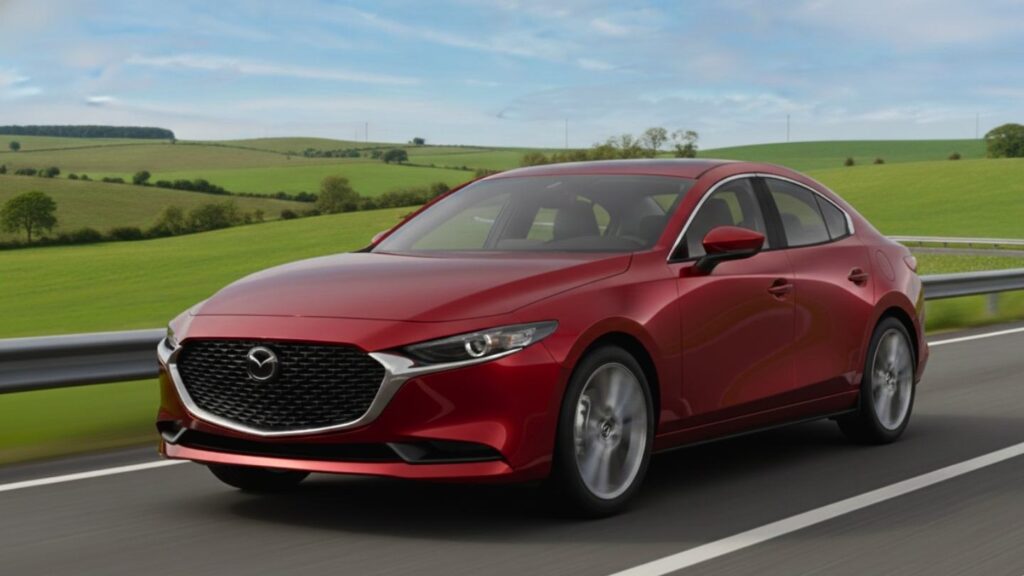
The 2026 Mazda3 is expected to continue offering a range of naturally aspirated and turbocharged gasoline engines depending on region. Rather than chasing high peak output, Mazda focuses on smooth power delivery and real-world responsiveness.
Front-wheel drive remains standard, with all-wheel drive available in select markets and trims. This makes the Mazda3 one of the few compact cars offering AWD, a key differentiator in colder climates.
Transmission options are expected to remain automatic-focused in most markets, with tuning aimed at smooth shifts and relaxed cruising rather than aggressive sport behavior.
Ride, Handling, and Steering Character
Driving dynamics remain one of the Mazda3’s strongest attributes. Steering feel is precise, body control is well managed, and suspension tuning strikes a balance between comfort and engagement.
The car feels composed in city driving, stable on highways, and confident on winding roads. While it may not be the most powerful option in the segment, it often feels more connected and refined from behind the wheel.
Safety and Driver Assistance Technologies
Safety continues to be a priority for Mazda. The 2026 Mazda3 is expected to include a comprehensive suite of standard safety features, with more advanced driver assistance systems available on higher trims.
These systems are designed to support the driver rather than override the driving experience, aligning with Mazda’s philosophy of keeping the driver engaged and in control.
Structural safety and crash protection remain strong selling points, reinforcing the Mazda3’s reputation as a well-engineered compact car.
Trim Levels and Global Market Positioning
Trim availability varies by market, but the general structure remains consistent. Entry-level trims focus on value and essential features, while higher trims add luxury-oriented materials, advanced technology, and optional performance enhancements.
The hatchback often receives sportier trims or configurations, while the sedan appeals more to buyers seeking comfort and refinement. This dual approach allows Mazda to serve different buyer profiles without diluting the core product.
Fuel Economy, Efficiency, and Ownership Costs
Fuel efficiency remains competitive within the compact segment. While not always the absolute leader in economy figures, the Mazda3 balances efficiency with performance and refinement.
Ownership costs are generally reasonable, supported by Mazda’s reputation for reliability and build quality. Maintenance requirements are straightforward, and long-term durability has been a strong point for the current generation.
Insurance costs typically align with other compact cars, while resale value benefits from the Mazda3’s consistent demand and premium perception.
How the 2026 Mazda3 Compares in Its Segment
In a crowded compact car market, the Mazda3 stands out by offering a more refined driving experience and upscale interior. While some rivals may offer more rear-seat space or slightly better fuel economy, few match the Mazda3’s balance of design, handling, and perceived quality.
Mazda’s broader strategy can be seen in its evolving compact and electrified lineup, including models like the one discussed in this overview of Mazda’s evolving compact vehicle lineup, which highlights how the brand is expanding beyond traditional segments while maintaining its design and driving philosophy.
The Mazda3 is best viewed as a compact car for drivers who value how a car feels and looks, not just what it offers on paper.
Ideal Buyer Profile
The 2026 Mazda3 is well suited for daily commuters who want comfort and efficiency without sacrificing driving enjoyment. It also appeals to enthusiasts seeking a practical car with engaging dynamics.
Urban drivers benefit from its manageable size and premium interior, while small families may appreciate the sedan’s balance of space and refinement. Buyers who prioritize design and build quality over maximum interior volume will find the Mazda3 especially appealing.
Frequently Asked Questions (FAQ)
Is the 2026 Mazda3 fully redesigned?
No. The 2026 model is expected to be a continuation of the current generation with minor updates rather than a full redesign.
Does the 2026 Mazda3 offer all-wheel drive?
All-wheel drive availability depends on market and trim, but it is expected to remain an option in select regions.
Sedan or hatchback: which is better?
The sedan offers a more traditional look and slightly better rear visibility, while the hatchback provides sportier styling and greater cargo flexibility.
Is the Mazda3 still considered a sporty compact car?
Yes. While not the most powerful, it remains one of the most engaging compact cars to drive.
What markets will receive the 2026 Mazda3?
The Mazda3 is sold globally, though trim and powertrain options vary by region.
Specifications and Data
Technical Specifications
| Item | Details |
|---|---|
| Platform | Mazda compact vehicle architecture |
| Drivetrain | FWD, optional AWD (market-dependent) |
| Suspension | Independent front, torsion beam rear |
| Steering | Electric power-assisted |
Powertrain and Performance
| Engine Type | Output Range | Transmission | Drivetrain |
|---|---|---|---|
| Naturally aspirated gasoline | Approx. 150–190 hp | Automatic | FWD |
| Turbocharged gasoline | Approx. 250 hp (market-dependent) | Automatic | AWD |
Fuel Economy
| Driving Cycle | Estimated Range |
|---|---|
| City | Competitive compact-class figures |
| Highway | Competitive compact-class figures |
| Combined | Balanced efficiency and performance |
Dimensions and Weight
| Measurement | Approximate Value |
|---|---|
| Length | Compact-class standard |
| Width | Compact-class standard |
| Height | Sedan lower than hatchback |
| Wheelbase | Optimized for ride stability |
| Curb Weight | Varies by trim and drivetrain |
Pricing and Trims (Global Overview)
| Trim Level | Positioning | Estimated Price Range |
|---|---|---|
| Base | Value-focused | Entry compact pricing |
| Mid-level | Balanced features | Mid compact pricing |
| Premium | Luxury-oriented | Upper compact pricing |
Conclusion: Is the 2026 Mazda3 Still a Smart Compact Choice?
The 2026 Mazda3 remains a compelling option for buyers who want more than basic transportation. It doesn’t chase extremes in performance, technology, or space, but instead delivers a cohesive, refined package that feels thoughtfully designed.
For drivers who value steering feel, interior quality, and understated design, the Mazda3 continues to stand out in the compact segment. While it may not suit everyone, it remains one of the most satisfying compact cars to live with in 2026.
Pingback: 2026 Mazda MX‑5 Miata: Specs, Pricing, Performance & What’s New -