
The 2026 Aston Martin Valhalla represents a pivotal moment for the British marque. Positioned between the extreme Valkyrie and Aston Martin’s traditional front-engine supercars, Valhalla is designed to bring Formula 1–inspired hybrid technology into a more usable, road-focused hypercar. It is Aston Martin’s first true series-production mid-engine hybrid supercar, and it signals a new era of performance engineering for the brand.
Rather than chasing record-breaking numbers alone, the Valhalla focuses on balance. It blends electrification, lightweight construction, and advanced aerodynamics to deliver a hypercar that is not only devastatingly fast but also refined enough for real-world driving.
What Is the 2026 Aston Martin Valhalla?
The 2026 Aston Martin Valhalla is a mid-engine plug-in hybrid hypercar developed using Aston Martin’s direct involvement in Formula 1. It sits below the Valkyrie in terms of extremity but above models like the Vantage and DB12 in performance, technology, and exclusivity.
At its core, Valhalla is designed to be a bridge between track-derived engineering and everyday usability. Unlike the Valkyrie, which prioritizes outright performance with minimal compromise, the Valhalla is engineered to deliver hypercar-level speed while remaining street legal, comfortable, and practical enough for regular driving.
This positioning makes it one of the most important vehicles Aston Martin has produced in decades.
Exterior Design and Aerodynamic Philosophy
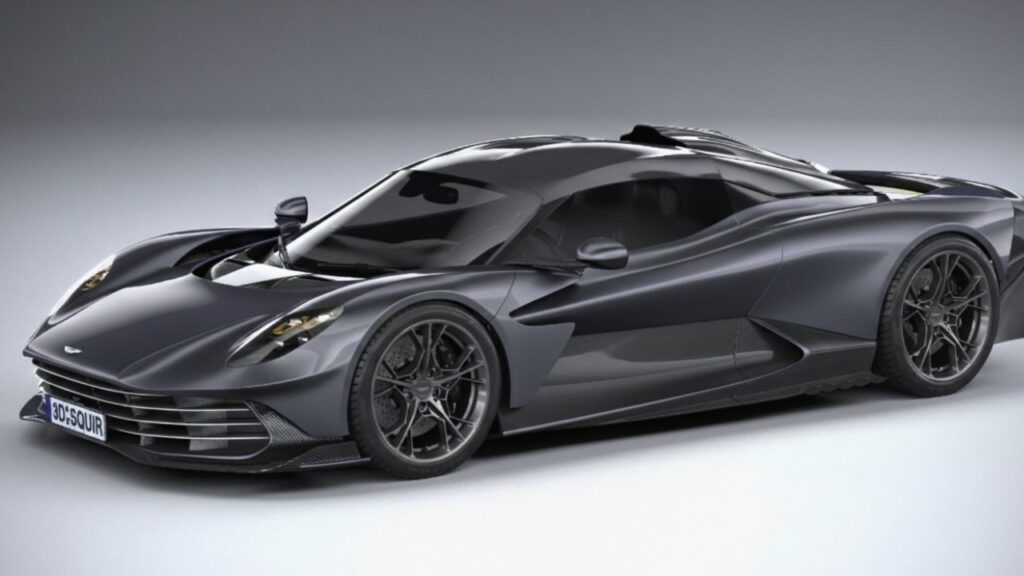
Visually, the Valhalla looks unmistakably like a modern hypercar. Its low stance, aggressive bodywork, and sculpted surfaces are not purely aesthetic choices. Every element is shaped by airflow, cooling requirements, and downforce management.
The design philosophy is heavily influenced by Formula 1 aerodynamics. Large front air intakes channel airflow through the car rather than around it, while the rear diffuser and active aerodynamic elements generate significant downforce at speed. Unlike passive systems, Valhalla’s active aero adapts in real time, optimizing stability during cornering and reducing drag on straights.
Despite its extreme appearance, the Valhalla retains Aston Martin’s design DNA. The proportions are dramatic, but the surfaces remain elegant, ensuring the car looks just as refined parked outside a hotel as it does attacking a racetrack.
Carbon Fiber Construction and Lightweight Strategy
The Valhalla is built around a carbon fiber monocoque, providing exceptional rigidity while keeping weight under control. Carbon fiber is also used extensively for body panels, aerodynamic components, and structural elements.
Weight reduction plays a critical role in Valhalla’s performance goals. The hybrid system adds complexity and mass, but Aston Martin offsets this with advanced materials, compact packaging, and a focus on structural efficiency. The result is a chassis that delivers razor-sharp handling without compromising safety or durability.
Interior Design and Driver-Centric Technology
Inside, the Valhalla adopts a focused, minimalist approach. The cabin is designed around the driver, with a low seating position and a clear view of the road ahead. Controls are intentionally limited to essential functions, reducing distraction and enhancing engagement.
Digital displays provide performance data, navigation, and vehicle settings, while physical controls are reserved for critical inputs such as drive modes and climate adjustment. Materials include carbon fiber, Alcantara, and lightweight metals, reinforcing the car’s performance-first philosophy.
Unlike track-only hypercars, the Valhalla’s interior still offers comfort. Climate control, infotainment integration, and sound insulation ensure it remains usable beyond short, high-intensity drives.
Motorsport Influence on Cabin Ergonomics
Motorsport inspiration is evident throughout the cabin. The steering wheel design prioritizes grip and feedback, with integrated controls that allow the driver to adjust key systems without removing their hands from the wheel.
The pedal layout, seating geometry, and visibility are all optimized for performance driving. These elements combine to create a cockpit that feels purpose-built, yet intuitive enough for daily use.
Hybrid Powertrain Architecture Explained
The heart of the 2026 Aston Martin Valhalla is its advanced hybrid powertrain. A twin-turbocharged V8 engine is mounted behind the driver, paired with electric motors to deliver all-wheel drive and instant torque.
The internal combustion engine provides the majority of power at higher speeds, while the electric motors enhance low-end response and improve efficiency. This configuration allows the Valhalla to deliver explosive acceleration without the lag traditionally associated with turbocharged engines.
Power is managed through a sophisticated control system that continuously balances output between the engine and electric motors, ensuring optimal performance in every driving scenario.
How the Valhalla Hybrid System Enhances Performance
Electrification is not just about efficiency in the Valhalla. The electric motors provide immediate torque, filling gaps in the powerband and sharpening throttle response. Regenerative braking captures energy during deceleration, feeding it back into the battery system for later use.
This setup improves acceleration, enhances corner exit speed, and allows for smoother power delivery. It also enables limited electric-only driving, making the Valhalla more adaptable to urban environments and tightening emissions regulations.
Performance Targets and Driving Dynamics
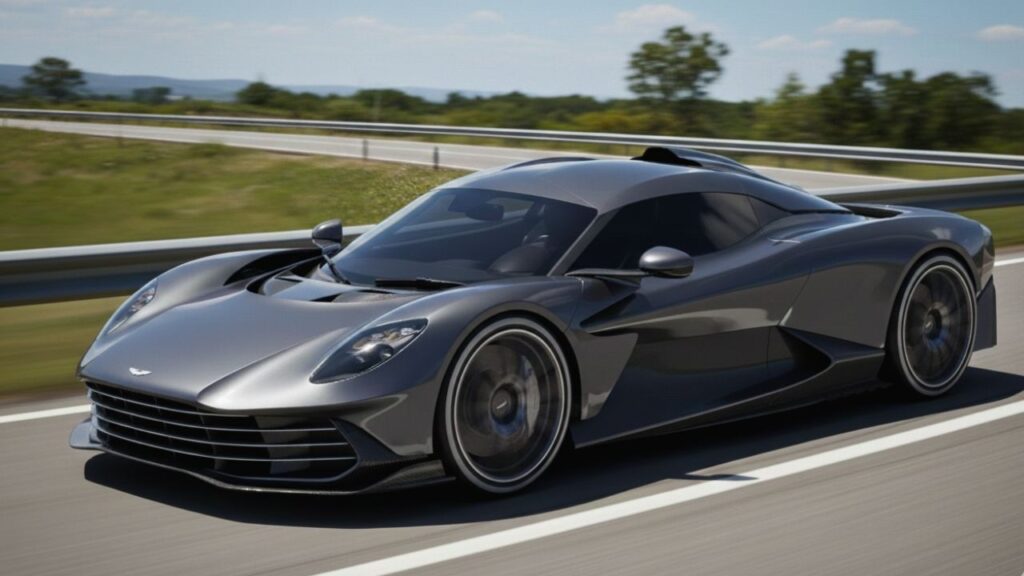
While final homologated figures may vary, the Valhalla is expected to produce output well beyond 900 horsepower. Acceleration figures are projected to rival the world’s fastest supercars, with a 0–60 mph time comfortably under three seconds.
More important than raw numbers, however, is how the Valhalla drives. Its low center of gravity, advanced suspension system, and torque-vectoring all-wheel drive create exceptional balance and control. The car is engineered to inspire confidence, whether on a tight mountain road or a high-speed circuit.
Track Capability Versus Road Comfort
The Valhalla offers multiple drive modes that adjust suspension stiffness, throttle response, aerodynamic settings, and hybrid behavior. In its most aggressive configuration, the car transforms into a track-focused machine with maximum downforce and minimal electronic intervention.
Switching to road-focused modes softens the suspension, reduces aerodynamic drag, and prioritizes comfort. This adaptability is key to the Valhalla’s appeal, allowing owners to enjoy hypercar performance without sacrificing usability.
Advanced Technology and Driver Assistance Systems
The Valhalla incorporates advanced electronic systems designed to enhance performance and safety. Stability control, traction management, and torque vectoring operate seamlessly in the background, providing support without diluting driver engagement.
Driver assistance features are expected to include adaptive cruise control, collision mitigation, and parking aids, reflecting the realities of modern road use. These systems are carefully calibrated to suit the Valhalla’s performance character rather than overwhelm it with unnecessary automation.
Where the Valhalla Sits in the Global Hypercar Market
The Valhalla occupies a unique position in the global hypercar landscape. It is more accessible and road-friendly than ultra-limited halo cars, yet significantly more advanced than traditional supercars.
Its primary audience includes collectors, performance enthusiasts, and drivers seeking cutting-edge technology without the extreme compromises of track-only machines. Limited production ensures exclusivity, while Aston Martin’s racing heritage adds credibility in a competitive segment.
Valhalla Compared to Other Hybrid Hypercars
Compared to rivals, the Valhalla emphasizes balance rather than outright spectacle. While some competitors focus on extreme horsepower figures or electric-only operation, Aston Martin prioritizes driver connection, aerodynamic efficiency, and real-world usability.
This philosophy sets the Valhalla apart as a hypercar designed to be driven, not just displayed.
Ownership Experience and Practical Considerations
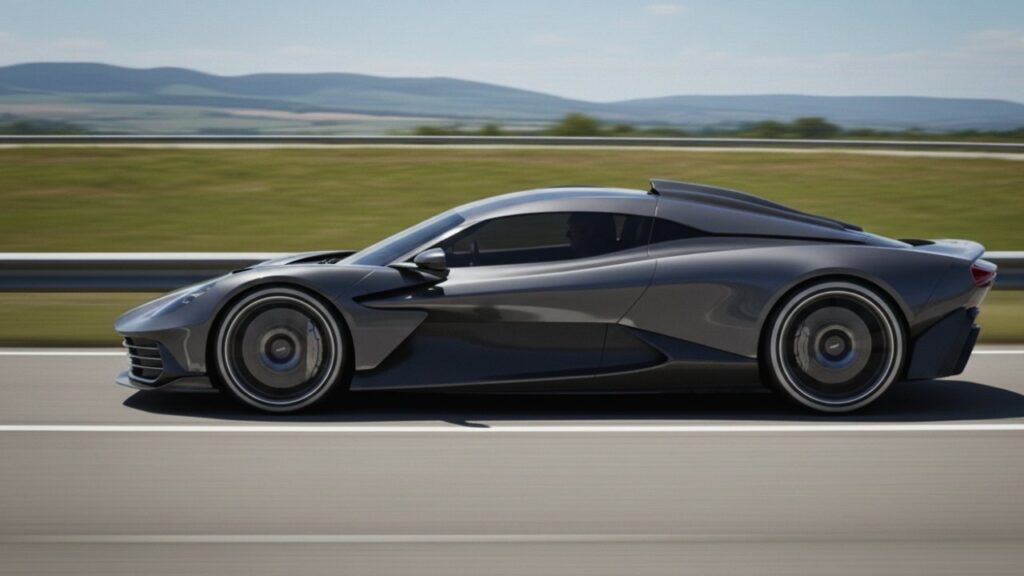
Owning a Valhalla is expected to be a premium experience. Aston Martin’s bespoke services, tailored maintenance programs, and dedicated customer support aim to make ownership as seamless as possible.
Despite its performance credentials, the Valhalla is engineered for reliability and longevity. Hybrid components are designed with durability in mind, and service intervals are expected to reflect its road-focused mission rather than race-car fragility.
Aston Martin’s New Performance Era
The Valhalla represents a broader shift within Aston Martin toward electrification and advanced performance engineering. Alongside models like the DB12, it demonstrates how the brand is evolving without abandoning its core identity.
For a deeper look at how Aston Martin is redefining performance across its lineup, explore the Aston Martin DB12 performance evolution, which highlights the brand’s latest approach to power, refinement, and technology.
2026 Aston Martin Valhalla Specifications and Data
Technical Specifications
| Item | Details |
|---|---|
| Chassis | Carbon fiber monocoque |
| Body Material | Carbon fiber composite |
| Layout | Mid-engine, all-wheel drive |
| Aerodynamics | Active front and rear aero |
Powertrain and Performance
| Item | Details |
|---|---|
| Engine | Twin-turbo V8 |
| Hybrid System | Electric motors with regenerative braking |
| Estimated Output | Over 900 hp (projected) |
| Transmission | Dual-clutch automatic |
| Drivetrain | All-wheel drive |
Range and Fuel Economy
| Item | Details |
|---|---|
| Electric-Only Range | Limited urban driving capability |
| Hybrid Efficiency | Optimized for performance rather than economy |
| Emissions Focus | Reduced CO₂ compared to non-hybrid hypercars |
Dimensions and Weight
| Item | Details |
|---|---|
| Length | Approx. 4,700 mm |
| Width | Approx. 2,000 mm |
| Height | Approx. 1,160 mm |
| Wheelbase | Approx. 2,760 mm |
| Estimated Weight | Under 1,700 kg (projected) |
Pricing and Trims Overview
| Item | Details |
|---|---|
| Estimated Global Price | USD 800,000–1,000,000 |
| Production Volume | Limited series |
| Market Availability | Global, subject to regulations |
Frequently Asked Questions About the 2026 Aston Martin Valhalla
Is the 2026 Aston Martin Valhalla fully electric?
No, it is a plug-in hybrid combining a twin-turbo V8 engine with electric motors.
How is the Valhalla different from the Aston Martin Valkyrie?
The Valhalla is more road-focused, offering greater comfort and usability than the track-biased Valkyrie.
Will the Valhalla be street legal worldwide?
It is designed to meet global road-use regulations, though availability may vary by market.
How many units will be produced?
Production will be limited, though final numbers have not been publicly confirmed.
Is the Valhalla suitable for daily driving?
While still a hypercar, it is engineered to be more practical and comfortable than most cars in its class.
Final Thoughts on the 2026 Aston Martin Valhalla
The 2026 Aston Martin Valhalla is more than a new model. It is a statement of intent. By blending hybrid technology, Formula 1-inspired aerodynamics, and Aston Martin’s signature design language, it creates a hypercar that is both thrilling and usable.
Rather than chasing extremes, the Valhalla focuses on harmony between performance and practicality. This balanced approach may well define the future of high-performance road cars and solidify Aston Martin’s place in the next generation of automotive excellence.