
Toyota is bringing back the C‑HR to the U.S., but this time as a fully electric compact crossover. The 2026 Toyota C‑HR combines sporty styling, modern technology, and performance-oriented electric powertrains to appeal to urban commuters and EV enthusiasts alike. With a 74.7 kWh battery, standard dual-motor all-wheel drive, and an estimated 290-mile range, the new C‑HR positions itself as a strong contender in the competitive compact electric crossover segment.
This reimagined C‑HR is not just about efficiency; it offers spirited acceleration, modern driver aids, and fast-charging convenience, making it a compelling option for those looking to transition to electric driving without sacrificing style or capability.
What Is the 2026 Toyota C‑HR?
The 2026 Toyota C‑HR is a fully electric, stylish compact crossover designed to blend urban practicality with performance. Unlike the previous hybrid or internal combustion engine versions, this model is exclusively electric, featuring a dual-motor all-wheel-drive system that ensures responsive handling and traction in all conditions.
Positioned as Toyota’s answer to the growing demand for compact EVs, the new C‑HR emphasizes efficiency, performance, and technology while staying true to the brand’s design philosophy. For drivers interested in Toyota’s expanding electric lineup, this model showcases the company’s commitment to electrification and innovation.
Design and Exterior Styling

Exterior Architecture
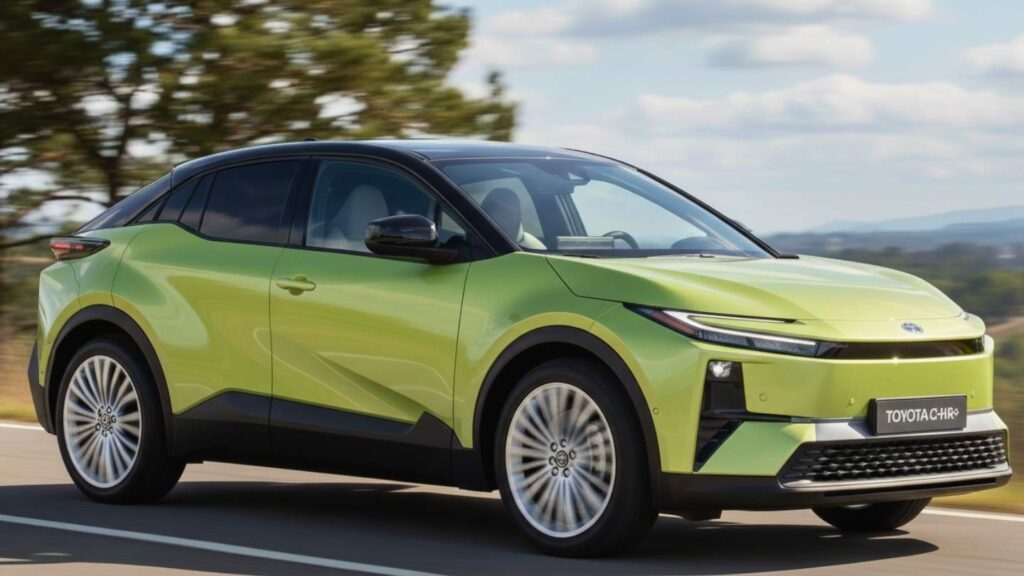
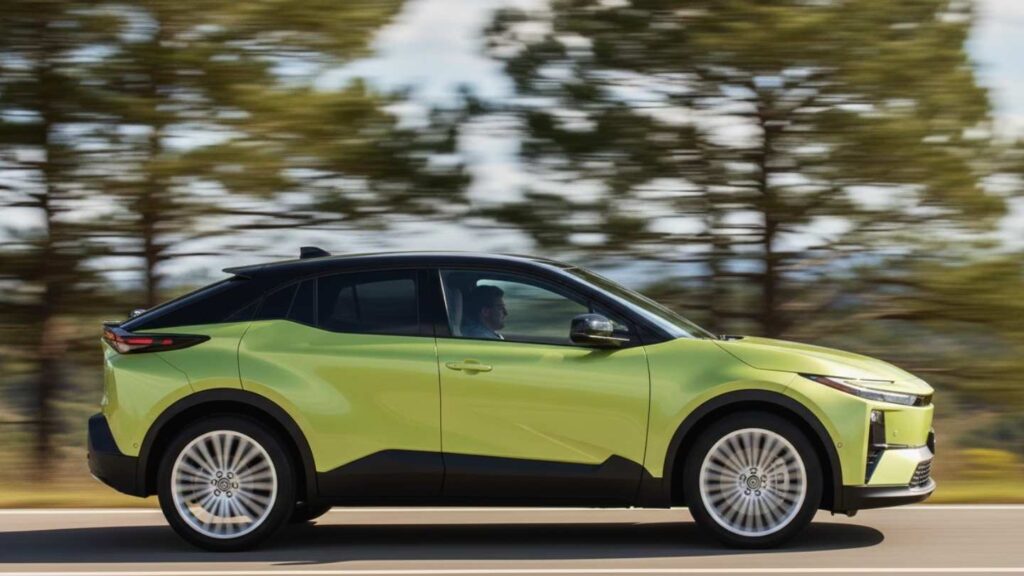
The 2026 C‑HR stands out with a coupe-like silhouette that combines elegance with sporty cues. Its sharp lines, sculpted panels, and aggressive front fascia convey a sense of motion even when parked. Standard wheels are complemented by optional larger alloys, and the rear design integrates a distinctive light bar that runs across the tailgate, highlighting the car’s modern aesthetic.
Aerodynamics and Efficiency Features
Toyota has optimized the C‑HR’s body for aerodynamic efficiency, including sleek side mirrors, underbody panels, and a low-drag rear spoiler. The battery placement within the chassis lowers the center of gravity, improving stability and handling while maximizing cabin space. These EV-specific design touches ensure that the vehicle delivers both style and performance.
Electric Powertrain and Performance
Dual-Motor AWD System
The 2026 C‑HR comes standard with dual-motor all-wheel drive, combining front and rear electric motors to produce a confident driving experience. This AWD setup ensures traction in all conditions while enabling the vehicle to accelerate briskly, supporting a 0–60 mph time of around 5 seconds.
Battery, Range, and Charging
Equipped with a 74.7 kWh battery, the C‑HR delivers an estimated 290-mile range on a full charge. For fast-paced lifestyles, it supports 150 kW DC fast charging, capable of recharging the battery from 10% to 80% in just 30 minutes. Additionally, the vehicle is compatible with NACS charging ports, providing convenience and flexibility for U.S. owners.
Acceleration and Driving Experience
The 0–60 mph sprint in roughly five seconds gives the C‑HR EV a sporty feel uncommon in the compact crossover segment. Regenerative braking is adjustable, allowing drivers to optimize energy recovery or enjoy a more traditional braking feel. Combined with a tuned chassis and low center of gravity, the vehicle balances responsive handling with a comfortable ride.
Interior, Technology & Comfort
Cabin Layout and Materials
Inside, the 2026 C‑HR offers a modern, driver-focused cabin. Premium materials, intuitive controls, and ample seating space ensure comfort for both driver and passengers. Despite its compact footprint, the interior provides practical cargo space, making it suitable for city driving or weekend trips.
Infotainment and Connectivity
A large touchscreen serves as the hub for infotainment, featuring wireless Apple CarPlay and Android Auto. Connected services allow real-time navigation updates, remote vehicle control, and software upgrades, ensuring that the cabin stays current with modern technology.
Comfort & Convenience Features
Climate control systems, wireless charging ports, and ambient interior lighting enhance the driving experience. Ergonomic seating and intuitive interfaces contribute to a refined, user-friendly cabin environment, catering to drivers who expect both style and functionality.
Safety and Driver Assistance
Toyota continues its reputation for safety with the C‑HR by including the Toyota Safety Sense 3.0 suite as standard. This advanced driver-assistance package includes features such as adaptive cruise control, lane-keeping assist, automatic emergency braking, and pedestrian detection. Optional upgrades may include advanced sensors and cameras for additional safety coverage. The vehicle is expected to achieve strong safety ratings in crash tests, aligning with Toyota’s commitment to occupant protection.
Trim Levels and Feature Breakdown
The 2026 C‑HR will likely debut in trims such as SE and XSE, each offering a range of comfort, technology, and convenience features. While all trims come with dual-motor AWD, higher trims include premium interior materials, advanced infotainment options, and additional driver-assist technologies. Regional differences may result in variations in available features and packages.
Pricing and Market Positioning
Pricing for the 2026 Toyota C‑HR is expected to start between $50,000 and $60,000 in the U.S., positioning it competitively within the compact EV crossover segment. Compared to rivals like the Hyundai Ioniq 5 or Kia EV6, the C‑HR focuses on a balance of style, performance, and brand reliability, offering a compelling choice for buyers seeking a premium yet practical EV.
Charging & Efficiency Considerations
With 150 kW DC fast charging, the C‑HR can regain substantial range during short stops, making it practical for both daily commuting and longer trips. Its 290-mile estimated range provides flexibility for most urban and suburban drivers, and regenerative braking helps maximize efficiency by recovering energy during deceleration.
FAQ — Your Top Questions Answered
What is the range of the 2026 Toyota C‑HR?
It offers an estimated 290 miles on a full charge.
How fast can it charge with DC fast charging?
The battery can go from 10% to 80% in about 30 minutes using 150 kW DC fast charging.
Is AWD standard or optional?
All trims come standard with dual-motor all-wheel drive.
What trims are available at launch?
Expected trims include SE and XSE, with higher trims featuring more premium amenities.
How does it compare to other compact EV crossovers?
The C‑HR offers a combination of sporty design, AWD, competitive range, and advanced technology, placing it strongly against rivals like the Hyundai Ioniq 5 and Kia EV6.
Specifications and Data Section
Technical Specifications
| Feature | Specification |
|---|---|
| Powertrain | Dual-motor electric AWD |
| Battery | 74.7 kWh lithium-ion |
| Platform | TNGA EV architecture |
| Charging Ports | DC fast charging (150 kW), NACS support |
Performance Figures
| Metric | Value |
|---|---|
| 0–60 mph | ~5 seconds |
| Top Speed | Estimated 110–120 mph |
| Range | ~290 miles (EPA est.) |
| Regenerative Braking | Adjustable |
Dimensions and Weight
| Dimension | Measurement |
|---|---|
| Wheelbase | 105 in (est.) |
| Length | 172–173 in (est.) |
| Cargo Volume | 20–22 cu ft (est.) |
| Curb Weight | 4,000–4,200 lbs (est.) |
Pricing & Trim Overview
| Trim | Key Features | Estimated Price (U.S.) |
|---|---|---|
| SE | Standard AWD, touchscreen, TSS 3.0 | $50,000 |
| XSE | Premium interior, advanced tech, enhanced driver-assist | $55,000–$60,000 |
Conclusion
The 2026 Toyota C‑HR redefines the compact crossover EV segment with its dual-motor AWD, 290-mile range, 0–60 mph in around 5 seconds, and fast-charging capabilities. It offers a balanced combination of style, technology, and practicality, appealing to both urban commuters and EV enthusiasts seeking performance without compromise.
As part of Toyota’s broader electrification strategy, the C‑HR highlights the brand’s commitment to sustainable mobility while retaining the sporty, stylish personality that made the model popular in its previous generations.