
The 2026 Mercedes-Benz Sprinter continues to define what a modern full-size commercial van should be: adaptable, technologically advanced, and engineered for global duty cycles. From urban last-mile delivery and airport shuttles to camper conversions and emergency services, the Sprinter’s modular platform allows it to serve an unusually wide range of industries. For the 2026 model year, Mercedes-Benz focuses on refinement rather than reinvention, carrying forward the latest updates to powertrains, digital systems, and safety while expanding flexibility for fleets and private buyers worldwide.
This article delivers a verified, market-aware overview of the 2026 Sprinter lineup, including configurations, engines, the eSprinter electric variant, and real-world ownership considerations.
2026 Mercedes-Benz Sprinter Lineup Overview
The Sprinter remains a global product with region-specific offerings. Buyers can choose among multiple body styles and use cases without changing the core vehicle architecture.
Key lineup elements include:
- Cargo Van for logistics and trades
- Passenger Van for shuttle and transport services
- Crew Van blending cargo space with limited seating
- Chassis Cab and Cutaway for custom bodies and specialty upfits
Body configurations continue to span standard and extended wheelbases with standard or high roofs. This approach allows operators to match cargo volume, passenger capacity, and maneuverability to their exact needs, whether operating in dense European cities or wide-open North American highways.
Exterior Design and Functional Updates
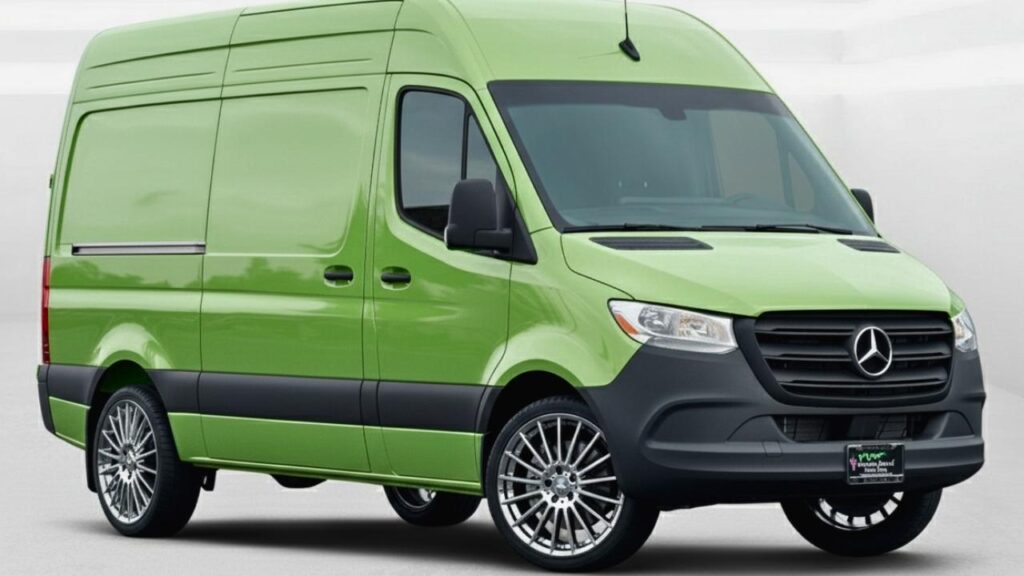
Visually, the 2026 Sprinter maintains its upright, purposeful design. Rather than dramatic styling changes, Mercedes-Benz prioritizes aerodynamics, durability, and serviceability.
Exterior highlights include:
- Optimized front fascia for improved airflow
- LED lighting availability for better nighttime visibility
- Multiple door configurations including sliding side doors and rear doors with wide opening angles
- Body panels engineered for easy repair in commercial use
These elements ensure the Sprinter remains efficient and practical while projecting a premium, professional image.
Interior, Cabin Layout, and Cargo Versatility
Inside, the Sprinter focuses on ergonomics and modularity. The driving position is upright and commanding, offering excellent outward visibility, while the cabin layout emphasizes long-shift comfort.
Interior strengths include:
- Adjustable seating and steering wheel for drivers of varying sizes
- Hard-wearing materials designed for frequent entry and exit
- Numerous storage compartments for tools, documents, and devices
- Flat cargo floors and reinforced tie-down points
Cargo volume varies significantly by wheelbase and roof height, making it easy to configure the Sprinter for parcel delivery, refrigeration units, or mobile workshops.
Technology and Infotainment Systems
The 2026 Mercedes-Benz Sprinter benefits from the latest iteration of the MBUX infotainment system, tailored for commercial needs.
Technology highlights include:
- Central touchscreen with intuitive menu structure
- Voice-activated controls for navigation and functions
- Smartphone integration and Bluetooth connectivity
- Fleet telematics and remote diagnostics compatibility
These systems allow fleet managers to monitor vehicle health and drivers to stay connected without distraction.
Safety and Driver Assistance Technologies
Safety remains a cornerstone of the Sprinter brand. Mercedes-Benz continues to offer a robust suite of driver assistance systems aimed at reducing fatigue and preventing accidents.
Available and standard features may include:
- Active Brake Assist
- Crosswind Assist for highway stability
- Blind Spot Assist and Lane Keeping Assist
- Attention monitoring for long shifts
These technologies are especially valuable in commercial environments where vehicles operate for extended hours under varying conditions.
Powertrain Options for the 2026 Mercedes-Benz Sprinter
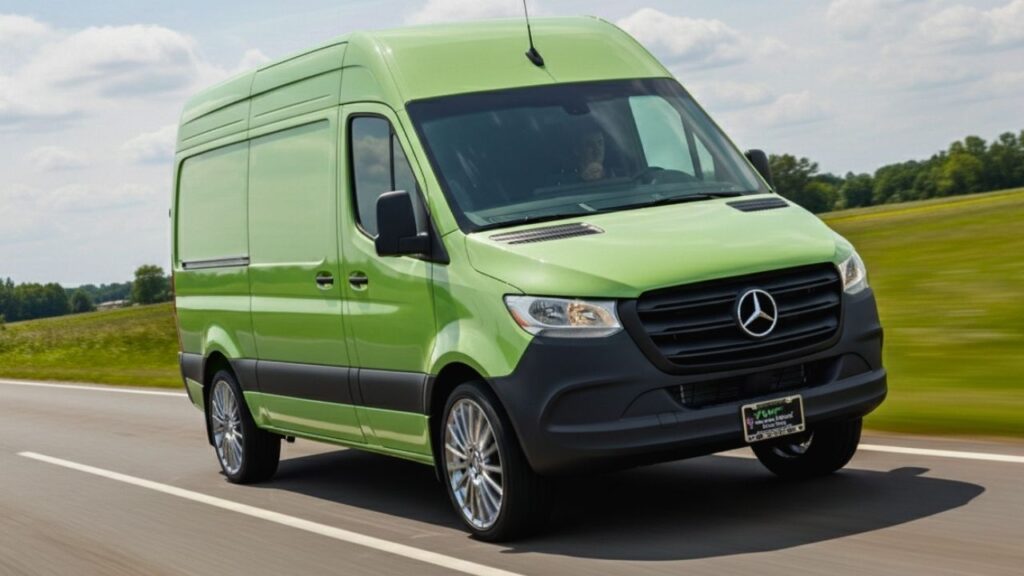
Powertrain availability depends on market regulations and customer demand, but the core offerings remain consistent.
Diesel engines continue to form the backbone of the lineup, favored for torque, longevity, and efficiency. Gasoline engines remain available in select regions where emissions and usage patterns support them. Rear-wheel drive is standard in many configurations, while all-wheel drive is offered for improved traction in harsh climates.
The eSprinter electric variant expands Mercedes-Benz’s push toward zero-emission commercial transport, particularly in urban environments.
Performance, Towing, and Payload Capabilities
The Sprinter’s performance priorities center on usable torque, payload stability, and predictable handling rather than outright speed.
Key performance considerations:
- Strong low-end torque for loaded driving
- Smooth automatic transmissions optimized for commercial use
- Competitive payload ratings depending on configuration
- Towing capabilities suitable for trailers and equipment
This balance ensures the Sprinter performs consistently whether empty or fully loaded.
Electric Variant Focus: Mercedes-Benz eSprinter (2026)
The eSprinter plays a growing role in Mercedes-Benz’s commercial strategy. Designed primarily for urban and regional use, it addresses emissions regulations and operating cost concerns.
Electric-specific highlights:
- Battery-electric drivetrain with modular battery options
- Quiet operation ideal for night deliveries
- Regenerative braking to improve efficiency
- Support for AC and DC charging infrastructure
While range varies by battery size and load, the eSprinter is best suited for predictable routes with access to charging facilities.
Trim Levels and Equipment Strategy
Rather than lifestyle-focused trims, the Sprinter emphasizes functional equipment groupings. Base models prioritize affordability and durability, while higher-spec versions add comfort, technology, and safety features.
Trim strategies differ by region, but common themes include:
- Fleet-optimized base configurations
- Premium interior and tech packages
- Cold-weather or off-road packages in select markets
- Factory-approved upfit compatibility
This modular approach keeps the Sprinter adaptable across industries.
Real-World Use Cases and Industry Applications
Few vehicles match the Sprinter’s versatility. Common applications include:
- Courier and logistics fleets
- Airport and hotel shuttles
- Camper van conversions for overland travel
- Ambulances and mobile clinics
Its reputation for build quality and adaptability makes it a favorite among professional converters.
Ownership Experience and Maintenance
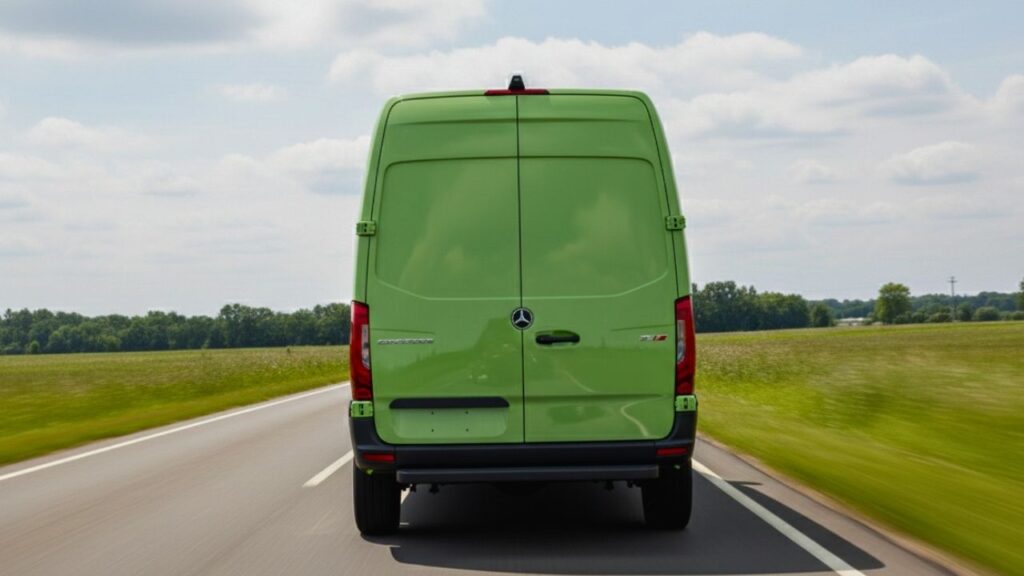
Owning a Sprinter is as much about uptime as driving experience. Mercedes-Benz designs the platform for long service intervals and predictable maintenance.
Ownership highlights:
- Scheduled maintenance optimized for commercial use
- Wide service network in major markets
- Factory warranty coverage varying by region
- Strong resale value compared to segment averages
Total cost of ownership remains competitive, especially for diesel and electric variants with high annual mileage.
Market Position and Key Competitors
The Sprinter competes in a crowded global segment but maintains a premium positioning. Its closest rivals include other full-size vans, yet the Sprinter often differentiates itself through technology and configurability.
When evaluating the broader Mercedes-Benz portfolio, readers exploring both commercial and passenger vehicles may find a useful reference in the Mercedes-Benz vehicle lineup overview, which provides context on how models like the Sprinter complement offerings such as the GLB within the brand’s range.
FAQs – 2026 Mercedes-Benz Sprinter
Is the 2026 Mercedes-Benz Sprinter fully redesigned?
No. The 2026 model continues the current generation with incremental updates rather than a ground-up redesign.
What engines are available for the 2026 Sprinter?
Diesel engines remain the primary option, with gasoline and electric variants available in select markets.
Does the 2026 Sprinter offer an electric version?
Yes. The Mercedes-Benz eSprinter continues as the fully electric option.
How much can the 2026 Sprinter tow?
Towing capacity varies by configuration and market, but it remains competitive within the full-size van segment.
Is the Sprinter suitable for camper van conversions?
Absolutely. Its flat floors, high roofs, and factory upfit support make it a top choice for camper builds.
Specifications and Key Entities
Technical Specifications
| Specification | Details |
|---|---|
| Platform | Mercedes-Benz Sprinter Architecture |
| Drivetrain | Rear-Wheel Drive / All-Wheel Drive |
| Transmission | Automatic |
Powertrain and Performance
| Engine Type | Output | Notes |
|---|---|---|
| Diesel | Market dependent | Primary global offering |
| Gasoline | Market dependent | Limited regions |
| Electric (eSprinter) | Battery-based | Zero-emission |
Range or Fuel Economy
| Variant | Range / Efficiency |
|---|---|
| Diesel | Market dependent |
| Gasoline | Market dependent |
| eSprinter | Varies by battery size |
Dimensions and Weight
| Parameter | Range |
|---|---|
| Wheelbase | Multiple options |
| Roof Height | Standard / High |
| GVWR | Configuration dependent |
Pricing and Trims (Global Overview)
| Market | Estimated Starting Price |
|---|---|
| United States | Market dependent |
| Europe | Market dependent |
| Middle East | Market dependent |
| Asia-Pacific | Market dependent |
Conclusion
The 2026 Mercedes-Benz Sprinter reinforces its position as one of the most capable and adaptable commercial vans on the global market. By focusing on proven powertrains, advanced safety systems, and unmatched configurability, Mercedes-Benz ensures the Sprinter remains relevant for fleets, converters, and private owners alike. Whether powered by diesel or electricity, the Sprinter continues to set a benchmark for versatility and long-term value.
Pingback: 2026 Mercedes-Benz VLE: All-Electric Luxury MPV Overview -