
The midsize sedan segment continues to evolve, and the 2026 Hyundai Sonata stands out as a compelling choice for drivers seeking a balance of value, technology, and efficiency. With meaningful updates for the new model year, including fresh trim configurations and an expanded hybrid lineup, the Sonata reinforces its position as a practical yet stylish option in a competitive market. Whether you’re drawn to the fuel-sipping hybrid variants, the spirited N Line performance model, or the well-equipped standard trims, the 2026 Sonata offers something for nearly every type of sedan buyer.
Table of Contents
What’s New in the 2026 Hyundai Sonata
Hyundai has refined the Sonata lineup for 2026 with strategic changes that enhance value and appeal. The most notable update is the introduction of the SEL Sport trim, which replaces the previous SEL and SEL Convenience models. This consolidation simplifies the buying process while maintaining a strong feature set at the mid-level price point. The SEL Sport also brings the option of all-wheel drive, a feature that expands the Sonata’s appeal in regions where weather conditions demand extra traction.
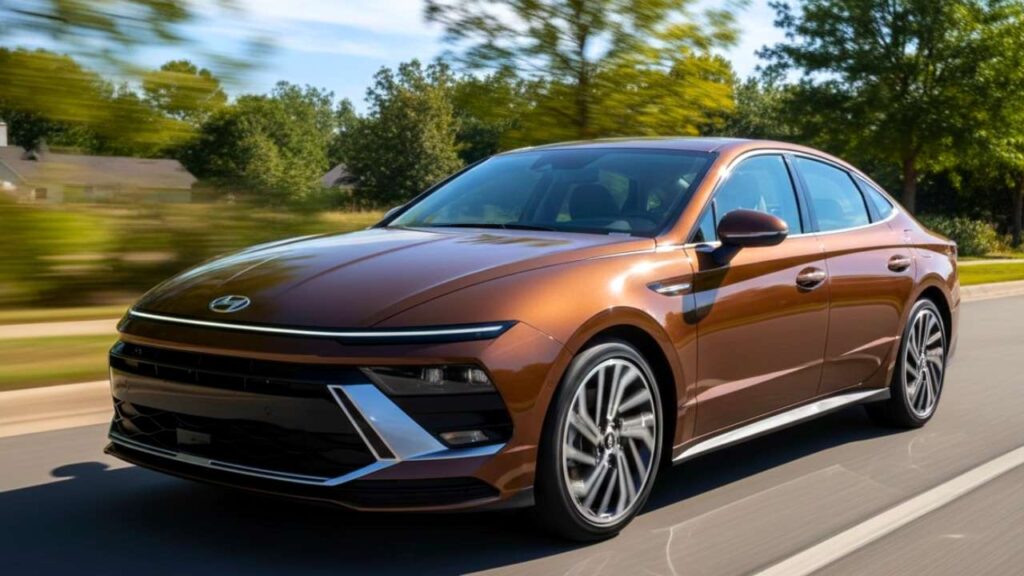
On the hybrid front, Hyundai introduces the Blue Hybrid as the new entry-level electrified option. This addition makes hybrid technology more accessible to budget-conscious buyers who want to maximize fuel efficiency without stretching their finances. The design carries over from the 2024 refresh, meaning the Sonata retains its sleek, modern exterior that turned heads when it debuted. Enhanced standard equipment across multiple trims ensures that even base models feel well-appointed and competitive.
2026 Hyundai Sonata Trim Levels and Pricing
Gas-Powered Trims
The 2026 Sonata lineup begins with the Sonata SE, the base trim that starts at an affordable price point while delivering essential features. Standard equipment includes LED headlights, a touchscreen infotainment system, and a comprehensive suite of driver assistance technologies. It’s an excellent starting point for buyers who prioritize value without sacrificing modern conveniences.
Moving up, the Sonata SEL Sport serves as the sweet spot in the gas-powered lineup. This trim replaces two previous models and brings features like upgraded interior materials, additional comfort amenities, and the availability of all-wheel drive. The AWD option enhances confidence in challenging weather, making the SEL Sport particularly appealing to buyers in northern climates or mountainous regions.
At the top of the performance spectrum sits the Sonata N Line, a trim designed for driving enthusiasts who want more than just comfortable transportation. With aggressive styling cues, sport-tuned suspension, and a more powerful turbocharged engine, the N Line transforms the Sonata into a genuine sport sedan that competes with models traditionally known for their dynamic capabilities.
Hybrid Trims
The hybrid lineup starts with the Sonata Blue Hybrid, a new addition for 2026 that makes electrified efficiency more attainable. This trim delivers impressive fuel economy figures while maintaining the Sonata’s reputation for comfort and practicality. It’s positioned to attract eco-conscious buyers who might otherwise consider the Toyota Camry Hybrid or Honda Accord Hybrid.
The Sonata SEL Hybrid builds on the Blue Hybrid foundation with added comfort and convenience features. This mid-range hybrid offers an excellent balance between efficiency and amenities, appealing to buyers who want more than just basic transportation but aren’t ready to jump to the top-tier model.
Crowning the hybrid range is the Sonata Limited Hybrid, which combines maximum fuel efficiency with premium features. Leather upholstery, advanced technology, and refined interior touches make this trim feel genuinely luxurious while delivering exceptional miles per gallon. It’s the ideal choice for buyers who refuse to compromise between efficiency and comfort.
Price Breakdown
Pricing for the 2026 Hyundai Sonata ranges from approximately $27,000 for the base SE to around $38,000 for the Limited Hybrid. The N Line occupies the mid-$30,000 range, while the SEL Sport positions itself as an attractive mid-level option in the high $20,000s. Destination charges typically add around $1,095 to the base price. When compared to competitors like the Honda Accord and Toyota Camry, the Sonata often delivers more standard features at comparable or lower price points, enhancing its value proposition significantly.
Engine Performance and Powertrain Options
Standard 2.5L Four-Cylinder Engine
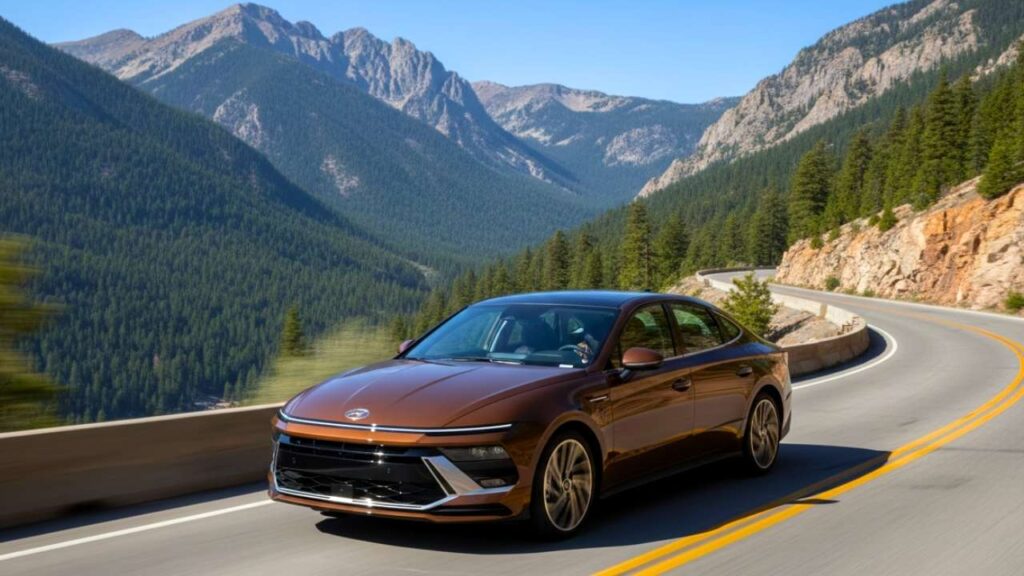
The foundation of the gas-powered Sonata lineup is a naturally aspirated 2.5-liter four-cylinder engine that produces 191 horsepower and 181 lb-ft of torque. This engine pairs with an eight-speed automatic transmission that delivers smooth, responsive shifts in everyday driving. Front-wheel drive comes standard, though the SEL Sport offers available all-wheel drive for enhanced traction and stability.
Performance is adequate for daily driving, with the Sonata accelerating from zero to 60 mph in approximately 7.5 seconds. While not particularly sporty, this powertrain emphasizes refinement and reliability over outright speed. The transmission logic adapts well to different driving styles, providing a comfortable experience whether you’re commuting through city traffic or cruising on the highway.
Turbocharged 2.5L Engine (N Line)
The Sonata N Line elevates performance with a turbocharged 2.5-liter four-cylinder that generates a substantial 290 horsepower and 311 lb-ft of torque. This engine connects to a quick-shifting eight-speed dual-clutch transmission that enhances responsiveness and driver engagement. The result is a sedan that can sprint from zero to 60 mph in just over five seconds, putting it in the same performance territory as some luxury sport sedans.
Launch control functionality allows drivers to maximize acceleration from a standstill, while the dual-clutch transmission provides snappy gear changes that traditional automatics can’t match. The N Line’s powertrain transforms the Sonata from a sensible commuter into something genuinely entertaining on winding roads or highway on-ramps.
Hybrid Powertrain
Hyundai’s hybrid system combines a 2.0-liter four-cylinder engine with an electric motor for a combined output of 192 horsepower. The setup uses a six-speed automatic transmission and delivers power to the front wheels. While the hybrid Sonata isn’t particularly quick, with acceleration times similar to the base gas model, its real strength lies in efficiency and smoothness.
The hybrid system transitions seamlessly between electric and gas power, often making it difficult to detect when the gasoline engine engages. Regenerative braking captures energy during deceleration, feeding it back into the lithium-ion battery pack. This technology allows the Sonata Hybrid to operate on electric power alone at low speeds, reducing fuel consumption in stop-and-go traffic where traditional engines are least efficient.
Fuel Economy and Efficiency
Fuel economy varies significantly across the Sonata lineup, giving buyers clear choices based on their priorities. The standard 2.5-liter engine in front-wheel-drive configuration achieves EPA ratings of approximately 28 mpg city, 38 mpg highway, and 32 mpg combined. These figures are competitive with other midsize sedans and represent solid real-world efficiency for a vehicle of this size.
The N Line’s turbocharged performance comes with a fuel economy tradeoff, delivering around 23 mpg city, 32 mpg highway, and 27 mpg combined. While lower than the base model, these numbers remain respectable for a sedan with nearly 300 horsepower.
Hybrid models shine in efficiency metrics, with the Sonata Hybrid achieving EPA ratings near 50 mpg city, 54 mpg highway, and 52 mpg combined. These impressive figures rival the best in the segment, including the Toyota Camry Hybrid. If you’re also considering Hyundai’s compact sedan lineup, the 2026 Hyundai Elantra offers similar technology in a smaller package. Real-world testing confirms that the hybrid Sonata can match or exceed its EPA estimates with moderate driving habits, making it an excellent choice for high-mileage commuters or those seeking to minimize fuel costs.
Exterior Design and Styling
Design Philosophy
The 2026 Sonata carries forward the sleek, contemporary design language introduced in recent years. Flowing lines and sculpted surfaces create visual interest without resorting to excessive creases or busy styling elements. The front fascia features a wide, cascading grille flanked by sharp LED headlights that create a distinctive nighttime signature. From the side, a gently sloping roofline gives the Sonata a coupe-like silhouette that enhances its athletic appearance.
Standard LED lighting elements across all trims ensure modern aesthetics regardless of which model you choose. Wheel options range from 17-inch alloys on base models to larger designs on higher trims, with each size carefully matched to maintain the Sonata’s balanced proportions.
N Line Distinctive Features
The Sonata N Line stands apart with aggressive styling that signals its performance intentions. A unique front bumper with larger air intakes, dark chrome accents, and a subtle rear spoiler differentiate it from standard models. Nineteen-inch alloy wheels with a distinctive design fill the wheel wells perfectly, while dual exhaust tips hint at the turbocharged power underneath.
Black exterior trim pieces, including darkened headlight surrounds and window trim, give the N Line a more menacing appearance that appeals to younger buyers and driving enthusiasts. These visual upgrades complement the mechanical enhancements, creating a cohesive performance package.
Dimensions and Proportions
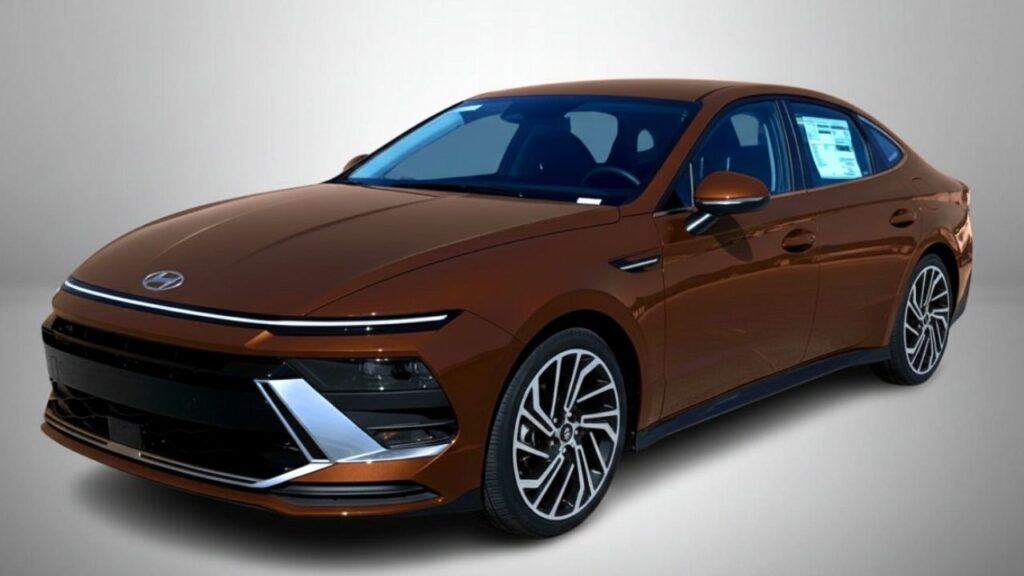
The Sonata measures approximately 192 inches in length, 73 inches in width, and 57 inches in height, placing it squarely in the middle of the midsize sedan class. Its wheelbase spans around 111 inches, contributing to stable highway manners and generous interior space. Ground clearance is typical for a sedan at roughly 5.3 inches, while curb weight ranges from 3,200 to 3,500 pounds depending on trim and powertrain.
These dimensions position the Sonata between compact sedans like the Elantra and larger full-size offerings, providing a practical balance of maneuverability and interior volume. When parked alongside competitors like the Honda Accord or Toyota Camry, the Sonata holds its own in visual presence and proportional balance.
Interior Comfort and Cabin Features
Seating and Space
The 2026 Sonata accommodates five passengers in a cabin that emphasizes space and comfort. Front seats provide ample headroom and legroom for taller occupants, while supportive cushioning ensures comfort on longer drives. Rear passengers benefit from generous legroom that exceeds what many competitors offer, making the Sonata a genuinely comfortable choice for families or ride-sharing duties.
Upholstery varies by trim, with cloth seats standard on base models and premium cloth or leather available as you move up the lineup. Heated front seats come standard on most trims, while ventilated front seats and heated rear seats appear on higher-end models. The SEL Sport and Limited Hybrid feature power-adjustable driver seats with memory functions, allowing multiple drivers to quickly recall their preferred positions.
Cargo Capacity
Trunk space in the gas-powered Sonata measures approximately 16 cubic feet, a competitive figure that accommodates luggage for a family vacation or weekly grocery runs. The hybrid models sacrifice a few cubic feet to house the battery pack, but the reduction barely impacts practical usability. The trunk opening is wide and unobstructed, making it easy to load bulky items. Rear seats fold down to expand cargo capacity when needed, though the pass-through is smaller than in some hatchback or SUV competitors.
Small-item storage throughout the cabin includes a generously sized center console, door pockets with bottle holders, and a covered compartment ahead of the gear selector. These thoughtful touches contribute to the Sonata’s reputation for practical everyday usability.
Interior Materials and Build Quality
Hyundai has steadily improved interior quality across its lineup, and the Sonata benefits from this commitment. Soft-touch materials cover high-contact areas like the dashboard top and door armrests, while stitching details add visual interest. Higher trims incorporate genuine leather, metallic accents, and ambient lighting that elevates the cabin ambiance.
Noise insulation is a particular strength, with the Sonata delivering a quieter ride than many competitors. Acoustic glass in the windshield, additional sound-deadening materials, and careful attention to sealing gaps combine to create a serene highway experience. Even at 70 mph, wind and road noise remain well-controlled, allowing passengers to converse without raising their voices.
Technology and Infotainment
Digital Display and Touchscreen
The centerpiece of the Sonata’s technology interface is a 12.3-inch touchscreen infotainment system that comes standard across most trims. The display features crisp graphics, intuitive menu structures, and quick response times to touch inputs. Physical shortcut buttons below the screen provide direct access to commonly used functions, addressing a common complaint about fully touch-based interfaces.
Higher trims also include a 12.3-inch digital instrument cluster that replaces traditional analog gauges. This configurable display allows drivers to customize what information appears in their primary sightline, from navigation directions to performance metrics. The digital cluster transitions smoothly between different display modes, and the graphics quality matches what you’d find in vehicles costing significantly more.
Smartphone Integration
Wireless Apple CarPlay and Android Auto come standard, eliminating the need to plug in your phone for every trip. The system connects quickly and maintains stable connections even with multiple devices present. Multiple USB ports throughout the cabin ensure passengers can charge devices while the primary phone connects wirelessly to the infotainment system.
Wireless charging appears on a convenient pad ahead of the gear selector on most trims, allowing compatible smartphones to top up their batteries without cables cluttering the center console. Bluetooth connectivity supports streaming audio and hands-free calling with clear audio quality that minimizes road noise interference.
Premium Audio Options
The base audio system features six speakers strategically placed throughout the cabin, delivering acceptable sound quality for most listeners. However, the optional Bose 12-speaker premium audio system, available on the N Line and Limited Hybrid, transforms the listening experience significantly. Carefully tuned for the Sonata’s cabin acoustics, the Bose system delivers rich bass, clear vocals, and excellent instrument separation.
Sound staging creates the impression that music originates from a wide soundstage rather than specific speaker locations, enhancing immersion. Whether you prefer classical music, podcasts, or bass-heavy electronic music, the premium system handles diverse content with impressive fidelity.
Advanced Connectivity
Hyundai’s Digital Key 2 Premium technology allows owners to use their smartphone as the primary vehicle key. This feature enables keyless entry and push-button starting without carrying a traditional key fob, appealing to tech-forward buyers who appreciate reducing items in their pockets. The system works reliably and includes provisions for sharing digital keys with family members or friends.
Bluelink connected services provide remote access to vehicle functions through a smartphone app. Features include remote start, climate preconditioning, vehicle location tracking, and diagnostic information. While some services require a subscription after an initial complimentary period, the convenience factor justifies the cost for many owners. Over-the-air update capability ensures the Sonata’s software remains current without requiring dealer visits.
Safety Features and Driver Assistance
Standard Safety Technology
Hyundai equips every 2026 Sonata with an impressive array of safety and driver assistance technologies as standard equipment. Forward collision warning with pedestrian detection monitors the road ahead, alerting drivers to potential impacts and automatically applying brakes if the driver doesn’t respond in time. This system works day and night, providing consistent protection across varying conditions.
Blind-spot monitoring with rear cross-traffic alert helps drivers avoid collisions when changing lanes or backing out of parking spaces. Visual and audible warnings indicate when vehicles occupy adjacent lanes or approach from the sides when reversing. Lane-keeping assist and lane-centering work together to help drivers maintain proper positioning within their lane, providing gentle steering corrections when the vehicle begins to drift.
Adaptive cruise control with stop-and-go functionality transforms highway driving by automatically adjusting speed to maintain a safe following distance from the vehicle ahead. The system brings the Sonata to a complete stop in traffic and resumes when traffic flows again, reducing driver fatigue on congested commutes.
Advanced Safety Systems
The N Line and higher-end trims add Highway Driving Assist, which combines adaptive cruise control and lane-centering into a more sophisticated system that reduces driver workload on long highway stretches. While not fully autonomous, Highway Driving Assist represents a significant step toward more advanced driver assistance capabilities.
Safe exit assist prevents occupants from opening doors into the path of approaching vehicles or bicyclists, a thoughtful feature that protects vulnerable road users. Driver attention warning monitors driving patterns and alerts fatigued drivers to take breaks when necessary. Parking sensors and multiple camera views, including a surround-view monitor on premium trims, make maneuvering in tight spaces less stressful.
Crash Test Ratings and Reliability
The Sonata has historically performed well in crash testing, earning top ratings from both the National Highway Traffic Safety Administration and the Insurance Institute for Highway Safety. While specific 2026 results may not be available at publication time, the carryover structure suggests similar strong performance. Hyundai’s reputation for reliability has improved dramatically over the past decade, with recent models demonstrating dependability that rivals established leaders like Honda and Toyota.
RepairPal reliability ratings for recent Sonata model years average above 4.0 out of 5.0, indicating better-than-average reliability. Common issues are typically minor and inexpensive to address, contributing to reasonable ownership costs over the vehicle’s lifespan.
Warranty Coverage
One of the Sonata’s strongest selling points is Hyundai’s industry-leading warranty coverage. The basic warranty extends for five years or 60,000 miles, whichever comes first, providing bumper-to-bumper coverage that exceeds what most competitors offer. The powertrain warranty stretches to an impressive 10 years or 100,000 miles, demonstrating Hyundai’s confidence in its engineering and manufacturing quality.
Hybrid models benefit from a 10-year or 100,000-mile battery warranty, addressing the primary concern many buyers have about long-term hybrid ownership. This coverage matches or exceeds what Toyota offers on the Camry Hybrid, removing a potential competitive disadvantage. Complimentary maintenance programs vary by market but often include scheduled services for the first year or two of ownership, further reducing initial ownership costs.
Driving Experience and Ride Quality
Handling and Performance
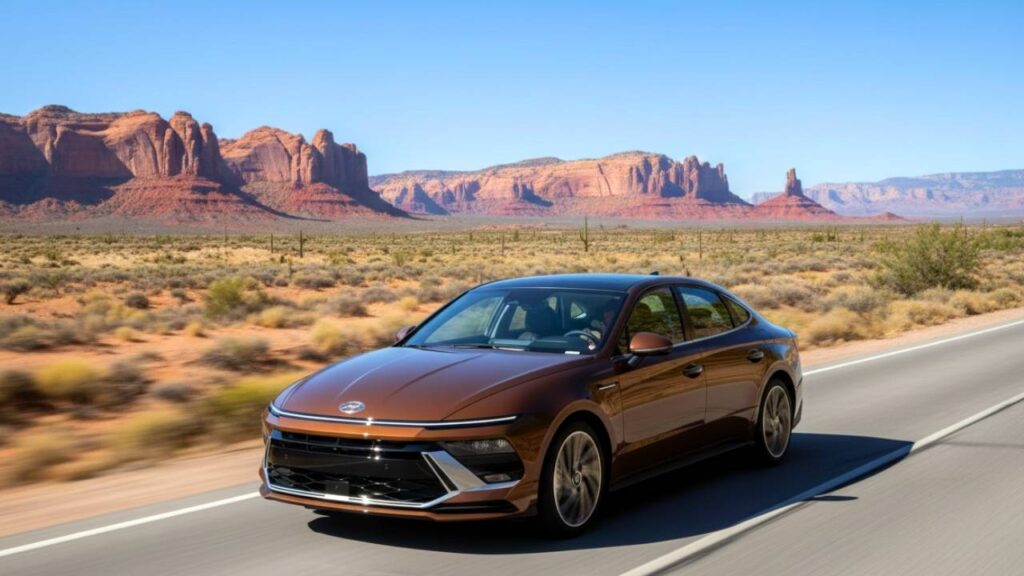
The standard Sonata prioritizes comfort over sportiness, with light steering and soft suspension tuning that absorbs road imperfections effectively. While not particularly engaging for enthusiast drivers, this setup delivers a pleasant, relaxed driving experience that suits the sedan’s family-focused mission. Body roll in corners is noticeable but not excessive, and the chassis feels solid and predictable.
The N Line transforms the driving dynamics significantly with sport-tuned suspension, quicker steering ratios, and performance-oriented summer tires. This combination creates a sedan that feels genuinely sporty without crossing into uncomfortable territory. The N Line corners flatter with less body roll, and the steering provides better feedback, encouraging drivers to explore the vehicle’s capabilities on winding roads.
All-wheel drive, available on the SEL Sport, enhances traction and stability in challenging weather conditions. While not designed for off-road adventures, the system provides confidence when accelerating on slippery surfaces or navigating through snow-covered roads.
Comfort and Ride Quality
Ride quality stands among the Sonata’s strongest attributes, with suspension tuning that manages to be both comfortable and controlled. Small bumps and road imperfections get absorbed before they reach passengers, while larger impacts are managed without harsh jolts. The balanced ride remains composed on rough pavement, avoiding the floaty feel that plagues some comfort-focused sedans.
Highway stability is excellent, with the Sonata tracking straight even in crosswinds or when passing large trucks. The combination of good sound insulation and controlled ride quality makes the Sonata an excellent choice for long-distance travel, where comfort and refinement matter most. Passengers consistently report arriving at destinations feeling less fatigued than in competing sedans with harsher ride characteristics.
2026 Hyundai Sonata vs Competitors
The midsize sedan segment remains competitive despite the shift toward SUVs and crossovers, giving buyers several excellent alternatives to the Sonata. The Honda Accord stands out for refined driving dynamics and upscale cabin quality, though it typically costs more than comparably equipped Sonatas. The Accord’s reliability reputation remains strong, but the Sonata’s warranty coverage provides similar peace of mind.
Toyota’s Camry offers hybrid variants across a wider range of trims and benefits from Toyota’s legendary reliability reputation. However, the Sonata counters with more standard features, better warranty coverage, and often lower pricing. The Camry’s conservative styling also contrasts with the Sonata’s more adventurous design language.
The Kia K5 shares its platform with the Sonata and offers similar features at competitive prices. Styling differences and minor equipment variations distinguish the two models, making the choice largely a matter of personal preference. Both vehicles benefit from Hyundai Motor Group’s engineering expertise and manufacturing quality.
Nissan’s Altima competes primarily on value, often undercutting the Sonata’s pricing. However, the Altima lacks the Sonata’s advanced standard safety features and falls short in interior quality and refinement. The Sonata’s superior warranty coverage further tips the scales in Hyundai’s favor.
Who Should Buy the 2026 Hyundai Sonata
The 2026 Sonata appeals to practical buyers who value efficiency, technology, and reliability without wanting to sacrifice style or comfort. Families will appreciate the spacious rear seat, generous trunk, and comprehensive safety features that provide peace of mind when transporting loved ones. The extensive standard equipment list means even base models feel well-appointed, avoiding the stripped-down feel common in entry-level vehicles.
Commuters facing long daily drives will find the hybrid models particularly appealing, with fuel economy that significantly reduces operating costs over time. The comfortable ride quality and excellent sound insulation make those miles less wearing, while the advanced driver assistance features reduce fatigue on highway stretches.
Driving enthusiasts shouldn’t overlook the N Line, which delivers genuine performance in a package that remains practical for everyday use. The turbocharged power and sport-tuned dynamics provide entertainment when desired, while the comfortable cabin and usable trunk make the N Line a viable daily driver rather than a weekend toy.
Budget-conscious buyers will appreciate how the Sonata delivers features typically reserved for luxury sedans at mainstream prices. The industry-leading warranty coverage adds value that extends well beyond the initial purchase, potentially saving thousands in repair costs over the ownership period.
Frequently Asked Questions (FAQ)
Q1: Is the 2026 Hyundai Sonata available with all-wheel drive?
Yes, the SEL Sport trim offers available all-wheel drive. However, all-wheel drive is not available on the base SE, N Line, or any hybrid models, which remain front-wheel drive only.
Q2: What is the fuel economy of the 2026 Sonata Hybrid?
The Sonata Hybrid achieves EPA ratings of approximately 50 mpg city, 54 mpg highway, and 52 mpg combined, making it one of the most efficient midsize sedans available.
Q3: Does the 2026 Sonata come with Apple CarPlay and Android Auto?
Yes, wireless Apple CarPlay and Android Auto come standard across the entire Sonata lineup, eliminating the need to connect your phone with a cable.
Q4: What is the warranty coverage on the 2026 Hyundai Sonata?
Hyundai provides a 5-year/60,000-mile basic warranty and a 10-year/100,000-mile powertrain warranty. Hybrid battery coverage also extends to 10 years or 100,000 miles.
Q5: How does the Sonata N Line compare to competitors?
The N Line offers 290 horsepower from its turbocharged engine, putting it in the same performance territory as the Honda Accord 2.0T and Toyota Camry TRD, often at a lower price point with more standard features.
Final Thoughts on the 2026 Hyundai Sonata
The 2026 Hyundai Sonata represents a compelling value proposition in the midsize sedan segment, combining style, efficiency, and technology in a package that competes effectively with established rivals. The expanded hybrid lineup, including the new Blue Hybrid entry point, makes fuel efficiency more accessible than ever, while the N Line satisfies those seeking performance without sacrificing practicality.
Standout features include industry-leading warranty coverage, comprehensive standard safety technology, and a spacious, comfortable cabin that makes every journey more pleasant. Whether you prioritize fuel economy, driving excitement, or simply a well-rounded family sedan, the Sonata lineup offers a trim that matches your needs. The competitive pricing structure ensures you receive substantial value for your investment, while the strong resale values Hyundai has built in recent years protect your purchase down the road.
For buyers considering a midsize sedan, the 2026 Hyundai Sonata deserves serious consideration. We strongly recommend scheduling test drives of multiple trims to experience firsthand how the standard model, hybrid variants, and N Line differ in character and capability. The right choice depends on your specific priorities, but any Sonata you select will deliver dependable, comfortable transportation wrapped in an attractive package backed by exceptional warranty protection.